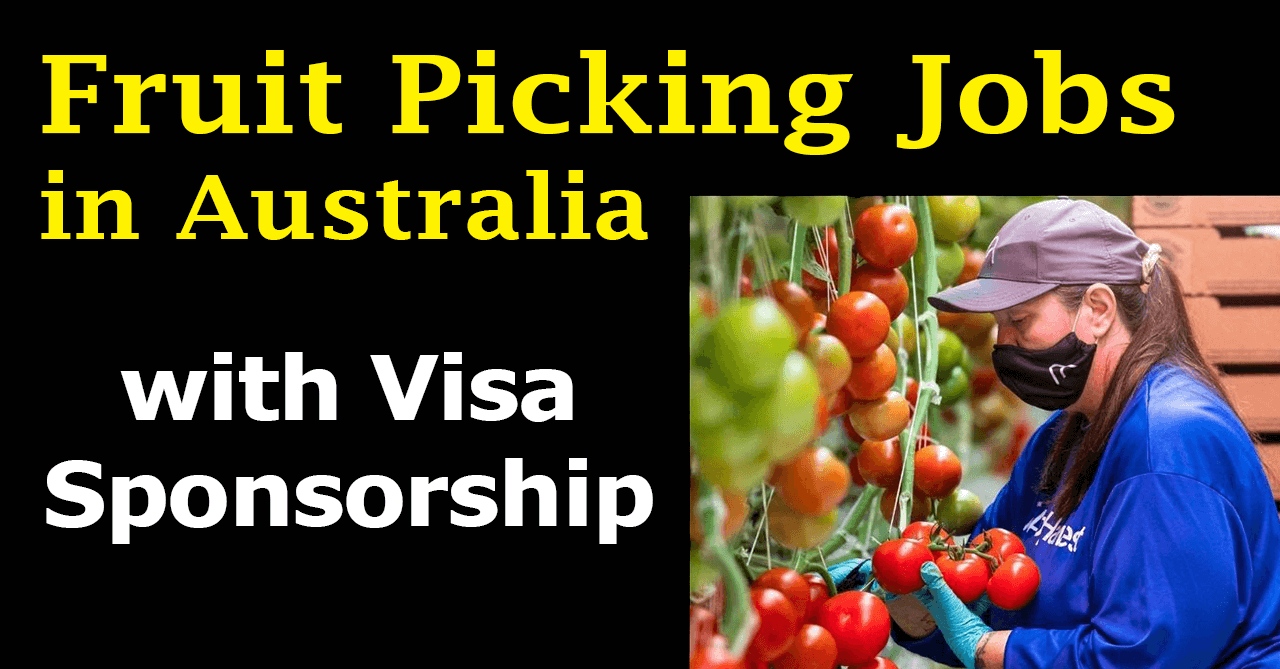
$30,000 USA visa sponsored Jobs opportunities for Africans in 2026— Full Guide to Finding and Securing Opportunities
Introduction: Why Africans Are Targeting USA Visa Sponsored Jobs in 2026
Across Africa, thousands of skilled and unskilled workers are dreaming of one big goal in 2026 to work and live in the United States. The USA remains one of the most desired destinations for career growth, financial freedom, and a better lifestyle.
However, one of the biggest barriers for Africans has always been the visa sponsorship process finding a U.S. employer willing to support their visa application. The good news is that as of 2026, many American companies are actively hiring international workers through employer-sponsored visas, offering salaries around $30,000 per year for entry-level and seasonal roles.
$30,000 USD per year is near or slightly above minimum wages in some U.S. states but below the national median. For many entry-level, employer-sponsored roles (care assistants, home health aides, hotel entry roles, seasonal farm workers), total annual pay in 2026 for full-time positions can be around $25k–$40k depending on location, overtime, and benefits. These roles are commonly the ones U.S. employers recruit internationally through EB-3 and temporary programs because they face domestic shortages. If your goal is to land a sponsored position at this pay level, concentrate on industries that traditionally sponsor “other workers” or temporary agricultural/seasonal workers.
In this comprehensive guide, you’ll learn everything you need to know from the best visa types, to where to find jobs, how to apply, and how to avoid scams. Whether you’re a graduate, technician, cleaner, caregiver, or construction worker, this article is your complete roadmap to securing a $30,000 USA visa sponsored Jobs opportunities for Africans in 2026.
1. Understanding USA Visa-Sponsored Jobs
A visa-sponsored job simply means that a U.S. employer is ready to hire you from abroad and handle your immigration paperwork. This includes filing petitions with U.S. immigration authorities, providing work authorization, and sometimes even paying for part of your travel or relocation.
For African applicants, visa sponsorship is crucial because it eliminates the need for you to prove self-sponsorship. Instead, the employer becomes your legal sponsor — confirming to the U.S. government that they need your skills and are willing to comply with immigration rules.
There are several visa programs available in 2026 that allow employers to sponsor foreign workers, but not all are suitable for entry-level jobs or salaries around $30,000. Let’s explore the main categories next.
2. Visa Categories Offering $30,000 Job Opportunities
a) H-2B Visa —Non-Agricultural Temporary Workers
The H-2B visa is one of the most popular programs among Africans looking for short-term employment in the U.S. It allows employers to hire foreign nationals for seasonal or temporary jobs outside agriculture — such as in hospitality, construction, landscaping, or cleaning services.
Key facts about H-2B visa jobs:
- Duration: 6 months to 1 year (renewable under limits)
- Typical salary range: $25,000 – $35,000 per year
- Industries: Hotels, resorts, landscaping, theme parks, seafood processing, etc.
- Requirements: Job offer from a U.S. employer, clean criminal record, and health clearance.
This program suits unskilled or semi-skilled workers looking to earn good seasonal income while gaining international experience.
b) H-2A Visa — Agricultural Workers
The H-2A visa is similar to H-2B but focused on farm and agricultural jobs. Employers bring in workers for planting, harvesting, or livestock care.
Key details:
- Salary range: $25,000 – $30,000 per year (depending on hours worked)
- Benefits: Free housing provided by the employer, sometimes free transportation.
- Duration: Seasonal (usually 6–10 months).
This is ideal for Africans with experience in agriculture or those willing to do physical labor. Many U.S. farms in states like Texas, Florida, and North Carolina actively hire through this program every year.
c) EB-3 Visa — Employment-Based Green Card
The EB-3 visa offers a direct route to permanent residency (Green Card) through employer sponsorship. It’s divided into three groups:
- Skilled Workers: Jobs requiring at least 2 years of training or experience.
- Professionals: Jobs requiring a bachelor’s degree or equivalent.
- Other Workers: Jobs that require less than 2 years of experience (unskilled).
EB-3 “Other Workers” is the best fit for Africans seeking entry-level positions that pay around $30,000 per year, such as:
- Cleaners and janitors
- Home caregivers
- Factory and warehouse assistants
- Restaurant and hotel attendants
Although the EB-3 process takes longer (8–18 months), it can lead to a Green Card and long-term U.S. residency — making it one of the most valuable options for Africans.
d) J-1 Visa — Trainee and Internship Programs
The J-1 Exchange Visitor Visa allows foreigners to participate in U.S.-based training or internship programs. It’s ideal for recent graduates or young professionals who want to gain American work experience for 6–18 months.
Typical salary/stipend: $25,000 – $35,000 per year
Common fields: Hospitality, tourism, marketing, engineering, or agriculture.
However, J-1 visas are temporary and not intended for permanent immigration. You’ll usually need to return home after completing your program, but it’s still a great way to gain international work exposure and professional development.
e) H-1B Visa — Specialty Occupations
The H-1B visa targets professionals with specialized skills or degrees — for example, IT experts, engineers, or healthcare workers.
These jobs usually offer much higher salaries than $30,000, but Africans with advanced degrees can explore this route if they have the required qualifications and employer support.
3. Industries That Commonly Offer $30,000 Visa-Sponsored Jobs
Here are some industries where Africans are most likely to find $30,000 USA visa-sponsored jobs in 2026:
1. Hospitality & Tourism
Jobs: Hotel attendants, waiters, housekeepers, cleaners, kitchen helpers, front desk clerks.
Why: The U.S. hospitality industry relies heavily on foreign labor for peak seasons.
2. Agriculture & Farming
Jobs: Farmhands, packers, fruit pickers, greenhouse staff, and livestock caretakers.
Why: Many U.S. farms hire international workers due to domestic labor shortages.
3. Landscaping & Outdoor Maintenance
Jobs: Groundskeepers, landscapers, irrigation staff, and tree planters.
Why: High demand during summer and spring for landscaping companies.
4. Food Processing & Manufacturing
Jobs: Factory workers, machine operators, food packers, cleaners.
Why: Some food companies face labor shortages and use H-2B or EB-3 sponsorships.
5. Healthcare & Caregiving
Jobs: Nursing assistants, elderly caregivers, home attendants.
Why: The U.S. aging population has created a massive demand for long-term caregivers, making EB-3 sponsorship common.
Industries Most Likely to Sponsor in 2026
Below are your best bets — with real demand — for visa-sponsored jobs in 2025:
Healthcare & Long-Term Care
Roles: Certified Nursing Assistants (CNAs), nursing aides, home health aides, support staff in elder care or rehabilitation centers.
Why: The U.S. has chronic shortages of care workers. Many hospitals and care facilities recruit abroad and may sponsor via EB-3 or specialized recruitment programs.
Requirements: Credential evaluation, training or licensing (depending on state), background checks.
Hospitality & Food Service
Roles: Front desk staff, housekeeping, food service attendants, restaurant staff, hotel support roles.
Why: Hotels and resorts in tourist areas often struggle to find local staff, especially seasonally. They may hire via H-2B or offer permanent roles under EB-3.
Skills that help: Strong customer service, English fluency, flexibility in shifts.
Agriculture / Farm Work
Roles: Harvesting, planting, packing, greenhouse work, seasonal field labor.
Why: U.S. agriculture heavily relies on seasonal labor, and many employers routinely use H-2A.
Tradeoffs: Physically demanding work; seasonal variation; sometimes remote or rural locations.
Caregiving & Social Support
Roles: Personal care aides, companion caregivers (elderly, disabled), in-home support staff.
Why: Demand grows as U.S. demographics shift. Private agencies and institutions sometimes sponsor through EB-3 or H-2B (for more temporary roles).
Entry-Level Manufacturing / Processing / Seasonal Services
Roles: Food processing, packaging, light manufacturing, seasonal plant operations.
Why: When local labor is tight, U.S. companies turn to visa programs.
Caveats: These roles may be less stable or lower pay depending on region, so examine location carefully.
4. Where and How to Find USA Visa-Sponsored Jobs
Finding legitimate visa-sponsored jobs requires strategy and research. Here’s a breakdown of where to look:
A. Verified Job Websites
Use platforms that allow filtering for “visa sponsorship”:
- LinkedIn Jobs
- Indeed.com (search “H-2B visa sponsorship” or “EB-3 jobs”)
- Glassdoor.com
- ZipRecruiter
- SeasonalJobs.dol.gov (official site for H-2A & H-2B listings)
B. Specialized Recruiters
Some agencies focus on connecting African job seekers with U.S. employers:
- Global Employment Agency
- Hospitality Staffers Inc.
- Alliance Abroad Group (for J-1 visas)
Always verify the recruiter’s license and legitimacy before paying any fees.
C. Direct Company Websites
Big U.S. employers that sponsor visa workers include:
- Marriott Hotels
- Hilton Hotels
- Tyson Foods
- McDonald’s franchises
- Landscaping and resort companies across Florida, Colorado, and Alaska
Search their “Careers” pages for international opportunities.
5. Step-by-Step Application Process for Africans
Here’s a detailed roadmap to secure a $30,000 USA visa-sponsored job in 2025:
Step 1: Research Suitable Visa Programs
Decide whether your goal is temporary work (H-2B/H-2A) or permanent residency (EB-3). Research job categories that fit your skills and salary target.
Step 2: Prepare an American-Style Resume
U.S. employers prefer short, results-driven resumes. Focus on:
- Clear job titles
- Measurable achievements
- English grammar and formatting
- Keywords like “teamwork,” “efficiency,” “safety compliance,” and “customer service.”
Step 3: Apply for Jobs
Use the job boards mentioned earlier. Apply only to positions that clearly mention visa sponsorship.
Step 4: Attend Online or Physical Interviews
Prepare for questions about your experience, motivation, and availability. Be confident, polite, and honest.
Step 5: Employer Files Petition
If selected, your employer files a petition with the U.S. Department of Labor and USCIS.
Step 6: Visa Interview
After approval, attend your visa interview at the U.S. Embassy in your country. Present your documents, proof of sponsorship, and job offer.
Step 7: Travel and Begin Work
Once your visa is issued, your employer may assist with flight arrangements or housing.
6. Salary, Benefits, and Cost of Living
A $30,000 annual salary translates to roughly $2,500 per month before tax.
After taxes and deductions, your take-home pay will likely be between $1,900–$2,200 per month.
What You Can Expect:
- Rent: $600–$900/month (shared or employer housing)
- Food & groceries: $300–$400/month
- Transportation: $100–$200/month
- Savings potential: $300–$500/month (depending on lifestyle)
If your employer provides free housing or meals, your savings can increase significantly.
7. Crafting a Winning U.S. Resume (CV) Example
Name: Blessing Chukwu
Location: Lagos, Nigeria
Email: blessingchukwu@example.com
Phone: +234 812 000 0000
Professional Summary:
Reliable and hardworking hospitality professional with over 3 years of experience in hotel cleaning and guest service. Known for strong work ethic, teamwork, and attention to detail. Seeking H-2B visa-sponsored opportunities in U.S. hospitality industry for 2025 season.
Experience:
Hilton Lagos – Room Attendant (2022–2026)
- Cleaned and maintained 20 guest rooms daily
- Achieved 95% guest satisfaction rating
- Assisted in training new staff members
Education:
National Diploma in Hospitality Management
Skills:
- Housekeeping & sanitation
- Customer service
- Time management
- Physical stamina
8. Interview Tips for USA Visa-Sponsored Jobs
- Research the company before the interview.
- Dress professionally and smile confidently.
- Speak clearly — communication matters more than accent.
- Highlight your reliability and work ethic.
- Ask about housing, transport, and benefits.
- Thank the interviewer and follow up via email.
9. Avoiding Fake Job Offers and Scams
Unfortunately, many fake agents target Africans looking for U.S. jobs. Protect yourself by following these rules:
- Only deal with verified employers or recruiters listed on official U.S. government websites.
- Never pay an employer for visa sponsorship — it’s illegal in the U.S.
- Double-check all company details through USCIS.gov or MyVisaJobs.com.
- Be suspicious of offers that promise “guaranteed visas” or “instant approval.”
10. Realistic Timeline for Visa Processing
| Visa Type | Average Time | Validity Period |
|---|---|---|
| H-2B | 3–6 months | 6–12 months |
| H-2A | 2–4 months | Seasonal |
| EB-3 | 8–18 months | Permanent |
| J-1 | 2–3 months | 6–18 months |
The earlier you apply in the year (especially before March or September), the higher your chances of approval for 2026 roles in $30,000 USA visa sponsored Jobs opportunities for Africans in 2026.
11. Advantages of USA Visa-Sponsored Jobs for Africans
- Legal entry to the U.S. without travel risks.
- Stable income and global work experience.
- Opportunities to transition to permanent status (EB-3).
- Skill improvement and international exposure.
- Ability to send remittances home and support family.
Many Africans who started as seasonal H-2B workers later upgraded to EB-3 or student visas, proving that it can be the first step to a long-term U.S. career.
12. Common Challenges and How to Overcome Them
- Limited visa quotas: Apply early before H-2B caps fill.
- Fake recruiters: Use only trusted platforms.
- Cultural differences: Adapt to U.S. workplace expectations like punctuality and teamwork.
- Long processing times: Stay patient and keep records organized.
- High relocation costs: Save ahead or look for employers who offer travel assistance.
13. Budgeting Your $30,000 U.S. Salary
Here’s a sample monthly budget breakdown for a single worker earning $2,000 net:
| Expense | Estimated Cost (USD) |
|---|---|
| Rent (shared housing) | 700 |
| Food & groceries | 350 |
| Transportation | 150 |
| Internet & phone | 70 |
| Personal needs | 150 |
| Savings | 580 |
By living modestly and using employer-provided housing, you can save up to $6,000 annually.
14. Success Tips for African Job Seekers
- Improve your English communication skills.
- Get international-standard certificates like First Aid or OSHA safety training.
- Create a professional LinkedIn profile.
- Stay updated with visa news on USCIS and DOL websites.
- Network with Africans already working abroad — they often know of new openings.
15. Future Outlook for 2025 and Beyond
Experts predict that U.S. labor shortages will continue into 2026, especially in agriculture, healthcare, and hospitality. That means more opportunities for African workers through legal sponsorship programs.
The U.S. government is also encouraging lawful migration channels to reduce illegal entries — creating new pathways for Africans with genuine skills and commitment.
So if you start your preparation now, 2026 could be your breakthrough year.
16. Conclusion.
Turn Your American Dream into Reality
Securing a $30,000 USA visa sponsored Jobs opportunities for Africans in 2026 is possible for Africans who are prepared, informed, and determined. Whether you choose a temporary seasonal visa (H-2B or H-2A) or aim for permanent residency via EB-3, every step brings you closer to achieving your American dream.
Remember, success requires patience and research — avoid shortcuts or fake offers. Focus on legitimate employers, build a solid resume, and stay consistent.
Your U.S. opportunity might be just one application away.